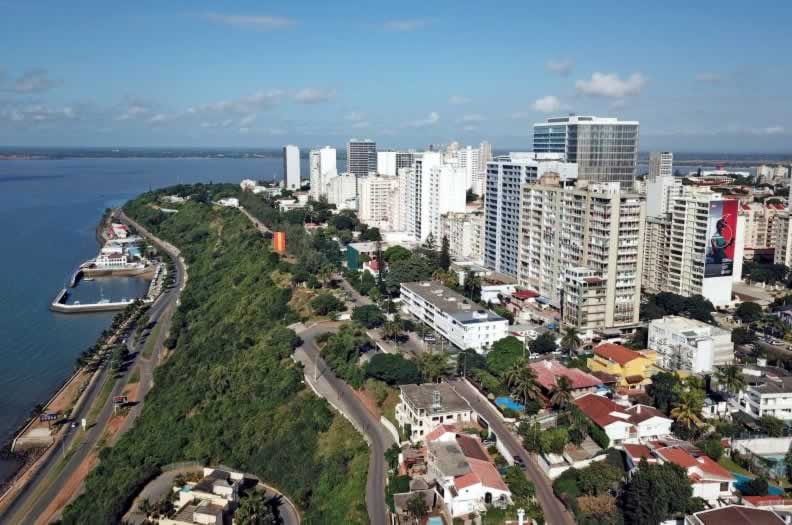
For travelers seeking a vibrant blend of African culture, European architecture, and coastal charm, Mozambique’s capital city is a must-visit destination. But to truly appreciate the bustling avenues, jazz-infused nightlife, and sun-drenched coastline of modern Maputo, one must understand its deeply layered past.
As you walk through the city today, history isn’t just confined to museums — it lives in the architecture, the street layouts, and the very air of the Indian Ocean. Let’s dive into the fascinating history of Maputo, charting its transformation from a colonial trading post into a dynamic African capital.
Why Was Maputo Called Lourenço Marques?
Before it was known as Maputo, the city bore the name Lourenço Marques for centuries. The name traces back to 1544, when a Portuguese navigator and trader named Lourenço Marques explored the area around Delagoa Bay (now the Maputo Bay). Sent by the Portuguese Crown to examine the coastline and establish trade relations, Marques realized the strategic value of the natural harbor.
While regional African kingdoms, particularly the Tsonga people, had thrived in the area for generations, the Portuguese established a permanent settlement and named it after the explorer. For nearly 400 years, this moniker tied the city directly to the footprint of colonial Mozambique.
How Did Portuguese Rule Shape the City?
For a long time, Lourenço Marques was just a modest trading post focused on ivory and slave trading. However, the late 19th and early 20th centuries brought a dramatic shift.
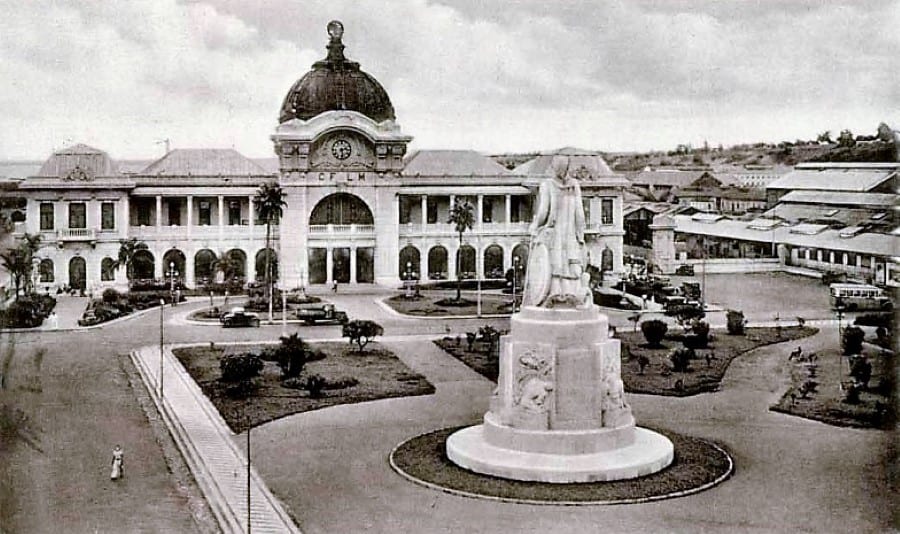
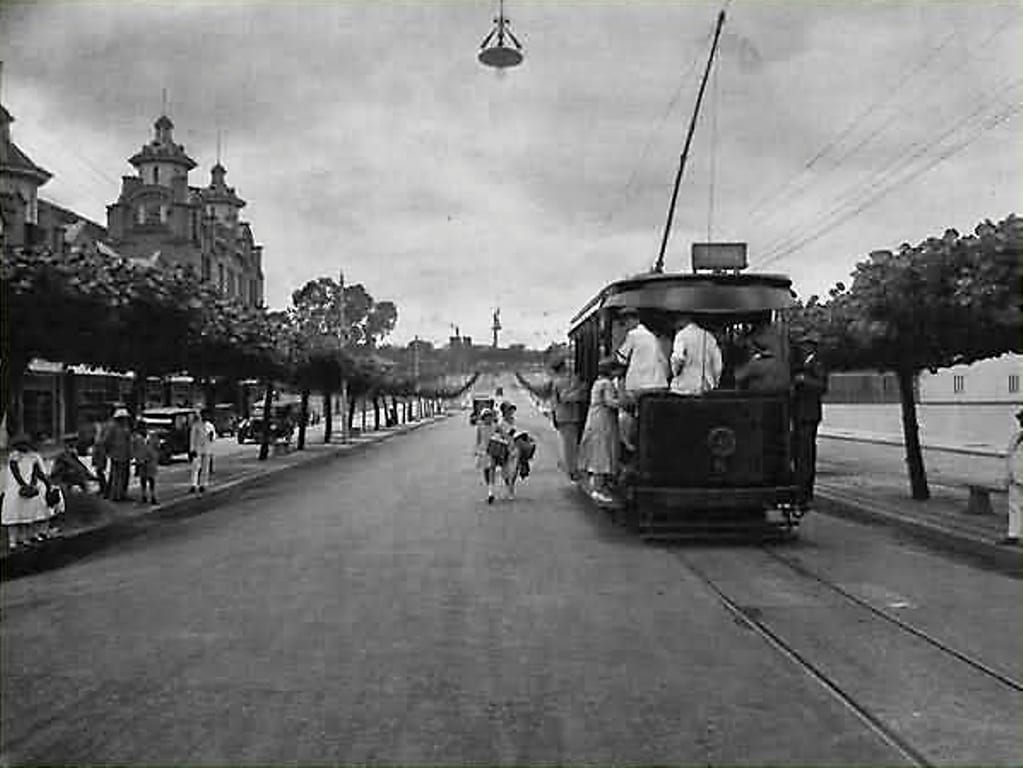
In 1898, the Portuguese officially moved the capital of colonial Mozambique from the northern Island of Mozambique to Lourenço Marques. This triggered a massive construction boom. Portuguese planners envisioned a “Paris of Africa.” They laid out wide avenues lined with jacaranda and acacia trees, built sprawling plazas, and introduced stunning architecture. The city became a showcase for European trends of the era, heavily featuring Art Deco, Beaux-Arts & Art Nouveau, and Modernism championed by visionary architects like Pancho Guedes, whose quirky, sculptural buildings still dot the cityscape today.
By the mid-20th century, Lourenço Marques had become a glamorous, cosmopolitan playground, attracting wealthy tourists from neighboring South Africa and Rhodesia to its world-class hotels, outdoor cafes, and vibrant nightlife. However, this beauty came at a steep cost, as the native African population faced strict segregation, forced labor, and political disenfranchisement under colonial rule.
When Did the City Change Its Name?
The turning point came in 1975. Following a decade of armed resistance led by the Liberation Front of Mozambique (FRELIMO), Mozambique officially gained its independence from Portugal on June 25, 1975. To sever ties with the colonial past and reclaim their national identity, the new government began renaming streets and cities.
On February 3, 1976, President Samora Machel announced that Lourenço Marques would officially be renamed Maputo. The new name was chosen to honor Chief Maputsu I, a revered local ruler who had fiercely resisted colonial encroachment in the region centuries prior.
What Happened After Independence?
The immediate post-independence era was a period of intense challenge. Following the exodus of Portuguese settlers, the country plunged into a brutal, 16-year civil war that lasted until 1992. During this time, Maputo suffered from economic stagnation, and maintenance of its beautiful infrastructure ground to a halt.
However, the resilience of the Mozambican people prevailed. Since the peace accords of 1992, Maputo has undergone a stunning renaissance. Today, it stands as the political, economic, and cultural capital of Mozambique — a city reborn where historical scars have healed into a vibrant tapestry of marrabenta music, bustling seafood markets, and a rapidly growing arts scene.
Which Historical Buildings Still Exist Today?
Remarkably, much of the architectural heritage survived the tumultuous 20th century. When you explore the city, several iconic landmarks provide a window into Maputo’s history:
- The Maputo Fortress — One of the oldest structures in the city, this stone fortress houses artifacts from the colonial wars, including the wooden coffin of the historic Nguni emperor, Gungunhana.
- The Central Railway Station (CFM) — Frequently ranked among the most beautiful train stations in the world, this Beaux-Arts masterpiece features a striking bronze dome and historic steam locomotives.
- The Iron House (Casa de Ferro) — Prefabricated in Europe and designed by an associate of Gustave Eiffel, this unique building was entirely made of iron. Ironically, it proved too hot to live in under the tropical Mozambican sun.
- The Central Market — Dating back to 1901, this bustling market features a historic facade housing a sensory explosion of local spices, fresh seafood, tropical fruits, and traditional crafts.
Experience Maputo with Nenane Tours
Reading about history is one thing, but walking through it is another entirely. The stories of Lourenço Marques and the triumph of Maputo are etched into every street corner, but they require a local expert to truly bring them to life.
At Nenane Tours, we specialize in immersive, expertly guided tours of Maputo. Let us take you beyond the guidebooks — through the historic pathways of the Baixa (Downtown), decoding the striking architecture of Pancho Guedes, and sharing the local stories that shaped the capital of Mozambique into the vibrant city it is today.