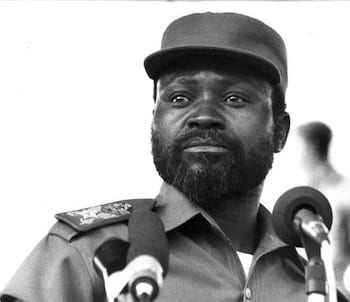
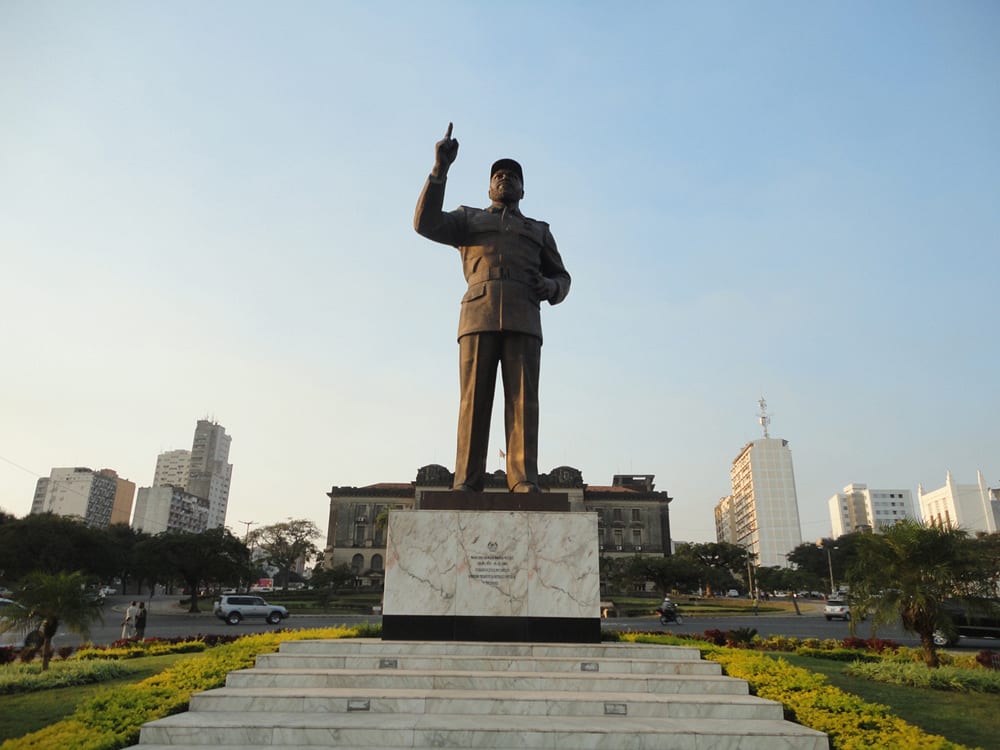
If you spend even a few hours walking around downtown Maputo, it won’t take long before you come across the name Samora Machel. There is an avenue named after him. A towering statue stands proudly in Independence Square. His face appears in photographs, murals, history books, and public buildings.
And if you speak with Mozambicans from different generations, you’ll notice something interesting: almost everyone has an opinion about him. Some admire him deeply. Others criticize certain decisions made during his presidency. But one thing is difficult to deny: Samora Machel remains one of the most influential figures in Mozambique’s history.
Why Does Everyone Talk About Samora Machel?
Imagine a country spending centuries under colonial rule. Now imagine that country finally achieving independence. Who would be chosen to lead this new nation? In Mozambique’s case, that person was Samora Moisés Machel.
When Mozambique gained independence from Portugal on June 25, 1975, Samora Machel became the country’s first President. But his story began long before that historic day.
From Nurse to Freedom Fighter
Before becoming a revolutionary leader, Samora worked as a nurse. Not exactly the career path most people imagine for someone who would later lead a national liberation struggle.
During the 1960s, he joined FRELIMO (Mozambique Liberation Front), the movement fighting against Portuguese colonial rule. As the struggle intensified, Samora became known for his leadership, discipline, determination, and powerful public speaking.
Following the assassination of Eduardo Mondlane, the founder of FRELIMO, Samora emerged as one of the movement’s key leaders. When independence finally arrived, he became the face of a new Mozambique.
The Challenge of Building a Nation
Winning independence was only the beginning. Building a country from scratch was the real challenge. Mozambique inherited enormous difficulties:
- High levels of poverty
- Limited infrastructure
- A shortage of qualified professionals
- Economic dependence on external powers
Samora believed the country needed a profound transformation. His government launched literacy campaigns, expanded healthcare services, and promoted national development projects aimed at improving the lives of ordinary Mozambicans. His vision was ambitious: to create a more equal society and overcome many of the inequalities inherited from the colonial era.
Why Is He Still Debated Today?
This is where the story becomes more complex. And more human.
Like many important historical leaders, Samora Machel is not a simple figure. For many Mozambicans, he represents courage, patriotism, sacrifice, and dedication to the nation. For others, some of the policies implemented during the early years of independence had negative consequences. As a result, his legacy continues to generate discussion and debate.
Perhaps that is one of the clearest signs of his importance. People rarely argue passionately about people who did not matter.
The Death That Still Raises Questions
In October 1986, Samora Machel died in a plane crash in Mbuzini, near the border between Mozambique and South Africa. His death shocked the nation. Even decades later, it remains one of the most discussed events in Mozambican history.
Different interpretations and theories continue to surround what happened that night. Regardless of where people stand on those debates, one fact is undeniable: Mozambique lost its first President under circumstances that remain controversial to this day.
Why Should Visitors Learn About Samora Machel?
During my walking tours around Maputo, many visitors arrive having never heard of Samora Machel. By the end of the tour, most understand why his name appears everywhere.
It is almost impossible to understand modern Mozambique without understanding its history. And it is impossible to tell that story without talking about Samora. His influence can still be felt in politics, public institutions, education, national identity, and the collective memory of the country. Even the streets visitors walk through every day tell part of his story.
The Samora Machel Statue in Maputo
If you visit the historic center of Maputo, you will find one of the city’s most recognizable landmarks: the Statue of Samora Machel in Independence Square.
For visitors, it is one of the most photographed locations in the city. For Mozambicans, however, it often represents something deeper. It symbolizes the struggle for independence, the hopes of a newly liberated nation, and the memory of a leader who helped shape the country’s future. Whether admired, debated, or studied, Samora Machel remains a central figure in Mozambique’s national story.
So, Who Was Samora Machel?
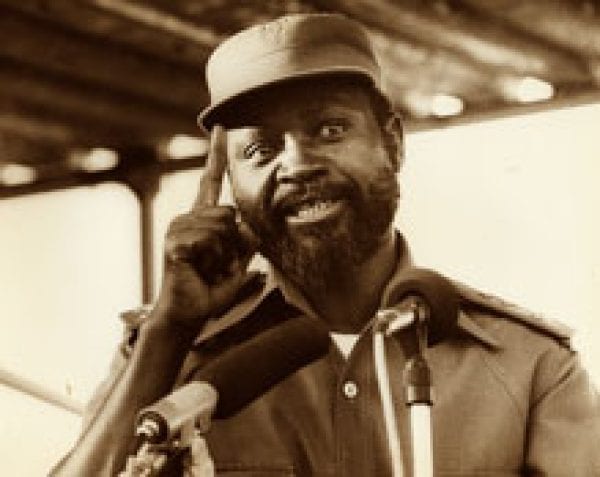
He was a revolutionary. He was a President. He was a symbol of independence. He was a leader admired by many and debated by others. But above all, he was someone who left a lasting mark on Mozambique.
If you visit Maputo and hear his name repeatedly, it is not a coincidence. Nearly fifty years after independence, Samora Machel remains part of the country’s identity. And understanding his story is one of the best ways to understand Mozambique itself.
Exploring Samora Machel’s Maputo
Want to see the places connected to Mozambique’s independence story? On the Maputo Downtown Walking Tour, we visit Independence Square, the Samora Machel Statue, historic colonial buildings, and many of the locations that help explain how Mozambique became the country it is today. Because history is always more interesting when you’re standing where it happened.