When you first arrive in Maputo, one of the first things you will notice is the unique rhythm of its streets. You’ll walk down wide avenues named 24 de Julho or Josina Machel, pass by towering statues of soldiers, and see vibrant murals painted on public walls. To the casual traveler, these might just seem like everyday city sights. But to Mozambicans, they are sacred symbols of a hard-won freedom.
Understanding the history of Mozambique’s independence completely changes how you see the country. It turns a simple city walk into a journey through courage, revolution, and national pride. Here is a simple guide to the history that shaped modern Mozambique, helping you make sense of everything you will see on your travels.
Why Did Mozambique Fight for Independence?
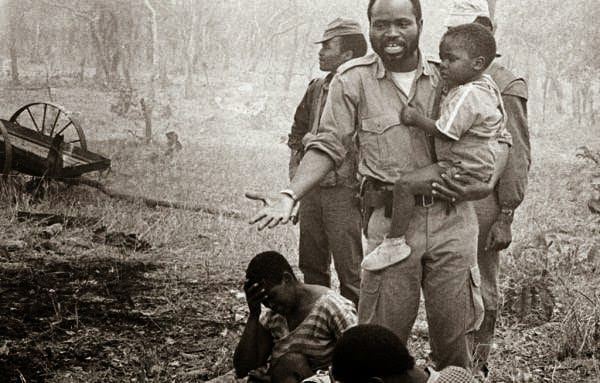
For nearly five centuries, Mozambique was under Portuguese colonialism. By the mid-20th century, while many African nations were peacefully gaining independence, Portugal’s dictatorial government refused to give up its overseas colonies. Life under colonial rule was incredibly harsh for the native population. Mozambicans faced:
- Forced Labor (Chibalo) — Local people were forced to work on colonial plantations and infrastructure projects for little to no pay.
- Severe Segregation — Cities were divided. The beautiful concrete centers were reserved for the Portuguese, while the local population was pushed to the underdeveloped margins.
- Lack of Education and Rights — Native Mozambicans were denied basic citizenship rights, higher education, and political representation.
By the early 1960s, a deep desire for dignity and self-determination reached a boiling point. Realizing that peaceful protests were met with violence, Mozambican freedom fighters decided that armed resistance was the only way forward.
What Role Did FRELIMO Play and Who Were the Leaders?
In 1962, several anti-colonial groups came together in neighboring Tanzania to form FRELIMO (Frente de Libertação de Moçambique, or the Liberation Front of Mozambique). FRELIMO became the driving force behind the revolution. On September 25, 1964, FRELIMO launched its first guerrilla attacks against Portuguese targets in northern Mozambique, sparking a fierce 10-year liberation war.
This era produced legendary leaders whose names you will see everywhere in Maputo today:
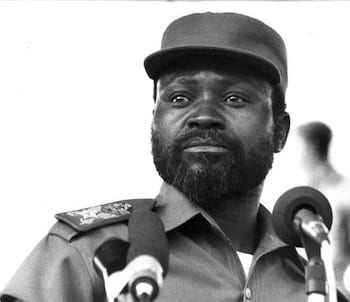
- Eduardo Mondlane — The founding President of FRELIMO. An intellectual and diplomat, Mondlane successfully united different ethnic groups into a single liberation movement. He was tragically assassinated in 1969 but remains remembered as the “Father of the Nation.”
- Samora Machel — A brilliant military commander who took over after Mondlane’s death. Machel led FRELIMO to victory and became the first President of an independent Mozambique. His charisma and fiery speeches are legendary.
- Josina Machel — A fierce advocate for women’s rights and a key figure in the female detachment of FRELIMO’s army. She is a national hero, celebrated for proving that women belonged on the front lines of the revolution.
Why Is 25 June Important?
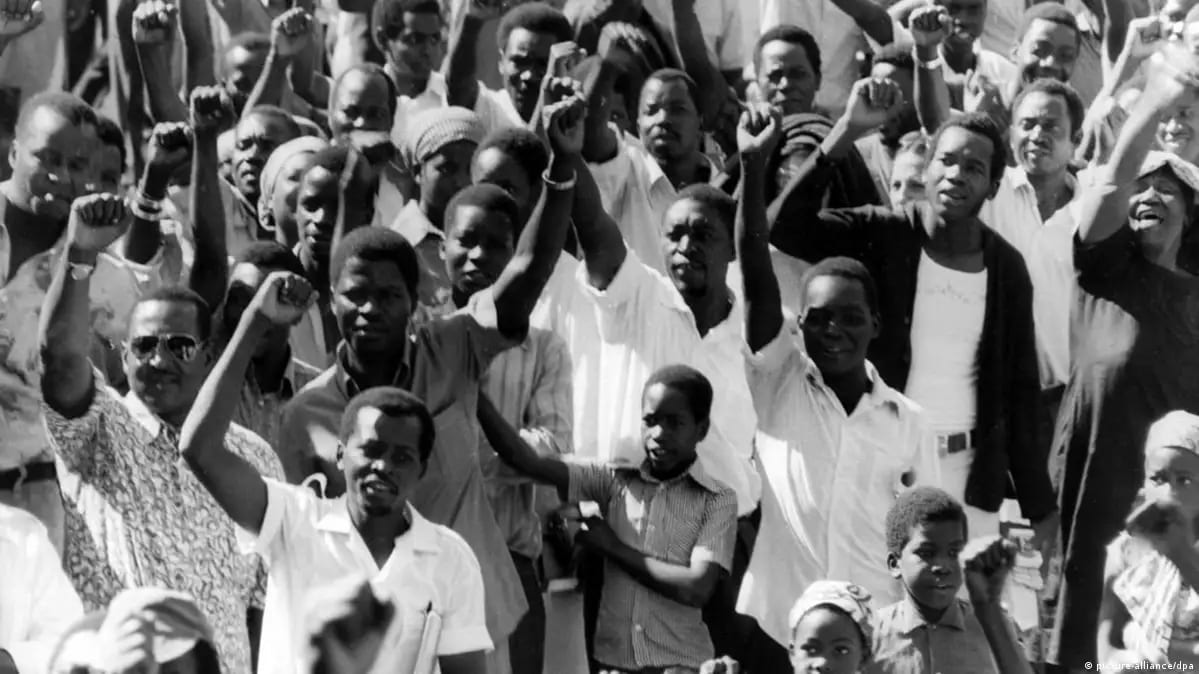
If you are lucky enough to visit the country in June, you will see the capital come alive with parades, concerts, and festivals. June 25 is Independence Day in Mozambique, the most important national holiday on the calendar.
After a coup in Portugal in 1974 (the Carnation Revolution) overthrew the Lisbon dictatorship, the new Portuguese government agreed to hand over power. On June 25, 1975, at midnight in Maputo’s Machava Stadium, the Portuguese flag was lowered, and the new flag of Mozambique was raised for the very first time. Samora Machel proudly declared the birth of a new nation.
How Does Independence Still Influence Daily Life?
Independence isn’t just a chapter in a textbook — it actively shapes your daily experience as a traveler in Maputo. Here is how that history connects to what you see on the ground:
- The Street Names — Maputo’s grid system is an open-air history lesson. Main thoroughfares are named after independence dates (Avenida 25 de Setembro, Avenida 24 de Julho) or revolutionary icons (Avenida Karl Marx, Avenida Vladimir Lenine).
- National Symbols — Look closely at the Mozambican flag or national coat of arms. You’ll see a rifle (representing defense and vigilance), a hoe (representing agriculture and the working class), and a book (representing the vital importance of education).
- The Heroes’ Monument (Praça dos Heróis Moçambicanos) — Located near the airport, this massive star-shaped monument holds the remains of Eduardo Mondlane, Samora Machel, and other national icons, backed by a stunning large-scale mural depicting the revolutionary struggle.
Decode Maputo’s History with Nenane Tours
It is one thing to read about these monuments, but it is entirely different to stand before them while hearing the gripping stories of the people who changed the course of African history. At Nenane Tours, we don’t just show you the sights — we connect the dots. Our guided city tours are designed to help you decode Maputo’s rich cultural landscape, explaining the hidden meanings behind the monuments, the architecture, and the vibrant local murals.