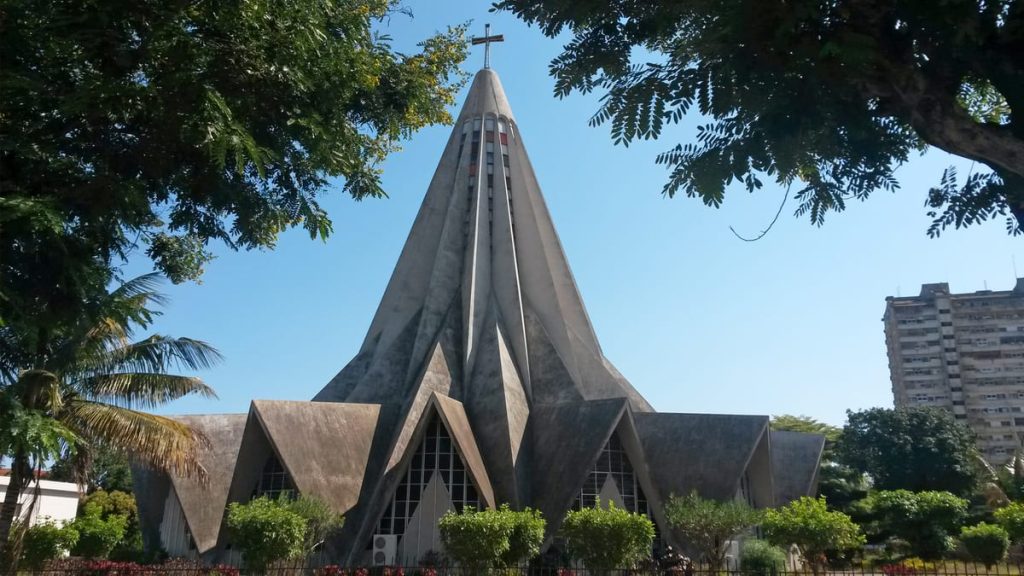
Step onto the vibrant streets of Maputo, and you’ll immediately notice that the city doesn’t look like most other African capitals. Look up from the bustling sidewalk cafes and street markets, and you’ll see an extraordinary skyline where pastel-colored colonial facades stand alongside bold modernist structures and sleek, contemporary glass towers.
Maputo is an open-air museum of design. Every building tells a complex story of migration, artistic rebellion, colonial ambition, and national identity. Whether you are a dedicated design enthusiast or a curious traveler, understanding Maputo’s architecture is the ultimate key to unlocking the soul of the city.
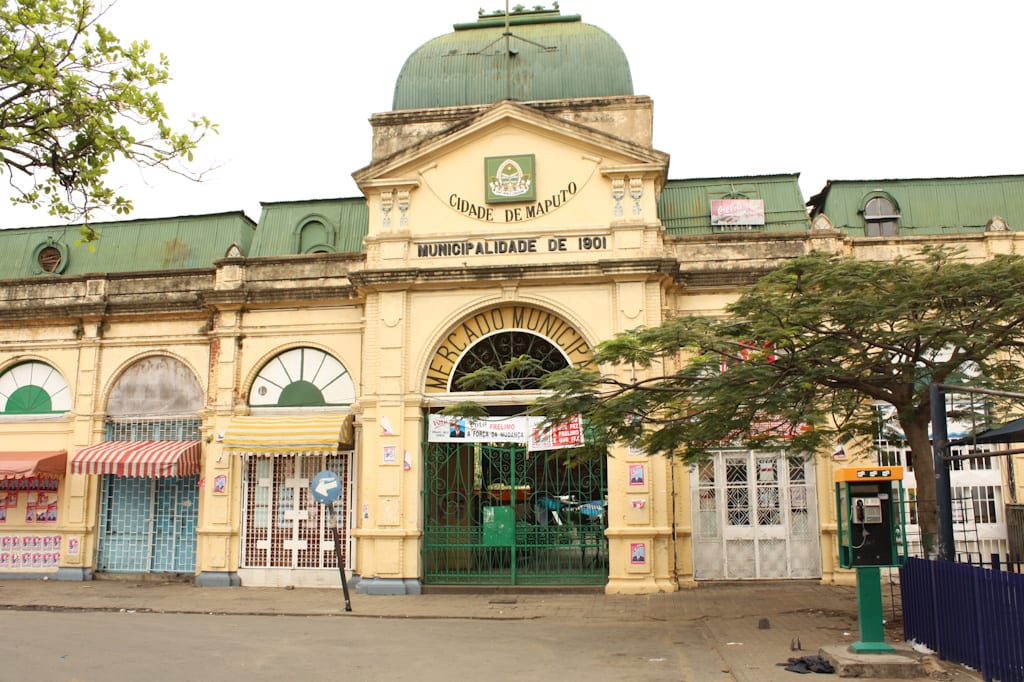
Why Is Maputo Famous for Architecture?
Maputo is globally celebrated by urban planners and historians as an architectural treasure trove because of its incredible stylistic diversity and the preservation of its mid-20th-century design.
When the Portuguese colonial government moved its capital to the city at the turn of the 20th century, they wanted to build a glittering coastal showcase. They invited visionary European and local architects to use the city as a canvas. Because the city grew rapidly during eras of intense artistic experimentation in Europe, Maputo became a living archive of changing global tastes — blending European structural concepts with tropical adaptations suited for the East African coast.
What Architectural Styles Exist in the City?
As you move through the different neighborhoods, you will encounter an eclectic mix of styles that seamlessly coexist:
- Beaux-Arts & Art Nouveau — Characterized by grand, ornate details, elegant curves, and classical symmetry, dominant in civic buildings from the early 1900s.
- Art Deco — Popularized in the 1930s and 40s, this style features geometric patterns, bold vertical lines, and stylized typography on apartment blocks and cinemas.
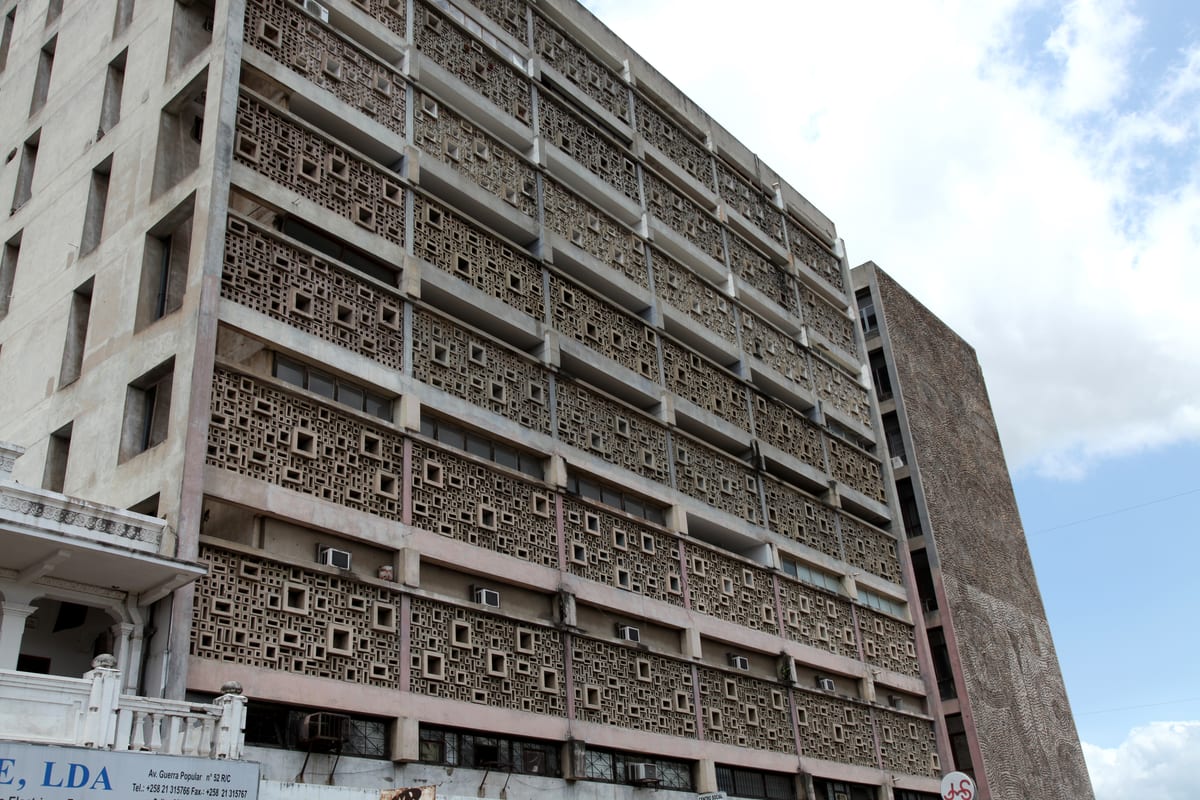
- Tropical Modernism — Maputo is particularly famous for this. In the 1950s and 60s, radical architects threw away traditional rules to design concrete structures featuring jagged roofs, stylized sun-shading screens (brise-soleil), and breathing walls perfectly optimized for the tropical climate.
How Did Different Cultures Influence the Design?
Maputo’s buildings are the direct result of a cultural melting pot. While the overarching structures were often commissioned by the Portuguese, the actual execution and artistic flair were heavily influenced by international trends and local realities:
- The Portuguese Footprint — Brought grand institutional designs meant to project imperial power and permanence.
- The Pancho Guedes Effect — Amâncio “Pancho” Guedes was a visionary, eccentric Portuguese architect who spent decades in Mozambique. Heavily inspired by African sculptural art, surrealism, and Antoni Gaudí, he designed over 500 striking, organic, and avant-garde buildings in Maputo, giving the city a uniquely whimsical, modernist edge.
- Indian Ocean Trade Influences — In areas like the Baixa (Downtown), you’ll notice intricately carved wooden balconies and shuttered windows reminiscent of Goan, Indian, and Islamic coastal trading styles.
Must-See Architectural Landmarks to Photograph
1. The Maputo Central Railway Station (CFM)
Often cited by international travel publications as one of the most beautiful train stations in the world, this Beaux-Arts masterpiece features an imposing mint-green facade, intricate wrought-iron latticework, and a majestic bronze dome that dominates the downtown square.
2. The Iron House (Casa de Ferro)
A bizarre and fascinating landmark designed in the late 19th century by an associate of Gustave Eiffel. Built entirely of prefabricated iron plates imported from Europe, it stands as a brilliant monument to historical trial-and-error — the building proved completely uninhabitable in Maputo’s tropical heat.
3. The Cathedral of Our Lady of the Immaculate Conception
Standing proudly near Independence Square, this striking white structure is a prime example of Art Deco religious architecture. Its clean, sharp lines and soaring vertical spire pierce the skyline, offering a stark contrast to the surrounding greenery.
4. The Polana Serena Hotel
Known historically as the “Grand Old Dame” of Maputo, this majestic hotel built in the 1920s represents the height of classic colonial luxury, combining European elegance with sweeping views of the Indian Ocean.
Discover the Stories Behind the Stone with Nenane Tours
You can admire Maputo’s stunning facades on your own, but you haven’t truly seen them until you know the human stories, the political scandals, and the artistic revolutions that built them. Why did Eiffel design a house of iron? Which building was built out of spite? Where can you find Pancho Guedes’ hidden masterpieces?
At Nenane Tours, we specialize in peeling back the layers of the city. We offer two uniquely curated experiences: the Downtown Walking Tour through the historic Baixa, and the Uptown Art & Architecture Tour through the radical Modernist apartments and Art Deco icons. Don’t just look at Maputo — understand it.