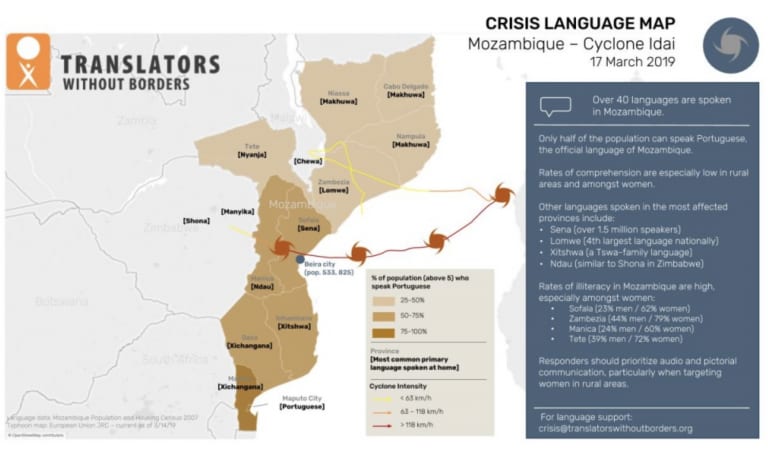
Mozambique is one of Africa’s most linguistically rich countries. Alongside the official language Portuguese, more than 40 indigenous Bantu languages are spoken across its ten provinces — each one a living record of migrations, trade routes, and centuries of cultural exchange. Understanding the languages spoken in Mozambique is one of the most rewarding parts of preparing for a trip here.
Whether you’re planning to explore the capital Maputo, travel north to Nampula, or cross into the Zambezi valley, you will encounter a different linguistic world in each region. This guide explains the main languages, where they are spoken, and what you need to know as a visitor.
What language do they speak in Mozambique?
The official language of Mozambique is Portuguese, a legacy of more than four centuries of Portuguese colonial rule (1498–1975). Portuguese is used in government, the legal system, education, national media, and formal business. However, it is the mother tongue of only a small minority — the majority of Mozambicans grow up speaking one or more indigenous Bantu languages and learn Portuguese in school.
This means most Mozambicans are bilingual or multilingual. In a single conversation in Maputo’s market, you might hear Shangaan, Portuguese, and a touch of English in the same exchange. That linguistic fluency is part of what makes interacting with Mozambicans such a distinctive experience.
Languages of Mozambique — Overview
The table below summarises the major languages spoken in Mozambique, their approximate number of speakers, and the regions where they dominate.
| Language | Approx. Speakers | Main Region | Family |
|---|---|---|---|
| Portuguese | ~12 million (L2) | Nationwide (official) | Indo-European |
| Makhuwa | ~5.6 million | Nampula, Cabo Delgado, Zambézia | Bantu |
| Shangaan / Tswa-Ronga | ~3 million | Maputo, Gaza, Inhambane | Bantu |
| Sena | ~2.2 million | Sofala, Tete, Zambézia | Bantu |
| Lomwe | ~1.5 million | Zambézia, Nampula | Bantu |
| Ndau | ~800,000 | Sofala, Manica | Bantu |
| Yao | ~680,000 | Niassa, Cabo Delgado | Bantu |
| Nyanja / Chewa | ~560,000 | Tete, Niassa | Bantu |
| Makonde | ~400,000 | Cabo Delgado | Bantu |
| Swahili | ~50,000 | Northern coast | Bantu |
Sources: Ethnologue — Languages of Mozambique; Instituto Nacional de Estatística (INE) de Moçambique. Speaker figures are estimates based on the most recent census data and may vary by source.
Portuguese — The Official Language
Portuguese arrived in Mozambique with Vasco da Gama in 1498 and took root over centuries of colonial settlement and trade. When Mozambique gained independence in 1975, the new FRELIMO government retained Portuguese as the official language — a practical decision in a country where no single Bantu language commanded a national majority.
Today, Portuguese is the language of the education system from primary school onwards, which means younger Mozambicans typically speak it more fluently than older generations. In Maputo and other urban centres, Portuguese is the default for formal interactions: banking, government offices, restaurants, and hotels.
Mozambican Portuguese has its own distinct character — a musical cadence, a few borrowed words from Bantu languages, and a warmth that sets it apart from European or Brazilian Portuguese. Speakers of other Portuguese varieties will have no difficulty understanding it.
Makhuwa — The Most Widely Spoken Bantu Language
Makhuwa (also spelled Macua or Makua) is spoken by approximately 5.6 million people and is the single most widely spoken indigenous language in Mozambique. Its heartland is the north — Nampula, Cabo Delgado, and northern Zambézia — where it functions as the everyday language of markets, homes, and community life.
Makhuwa has several regional dialects, including Makhuwana and Meetto, but speakers across the region generally understand one another. It belongs to the Bantu language family and is closely related to Lomwe. Many Makhuwa speakers also speak Portuguese, particularly in urban areas and among younger generations who attended school.
Shangaan — The Language of Maputo and the South
If you visit Maputo, the indigenous language you are most likely to hear alongside Portuguese is Shangaan (also known as Changana, Tswa-Ronga, or Tsonga). It is the dominant Bantu language of southern Mozambique, spoken across the provinces of Maputo, Gaza, and Inhambane, and it has a significant diaspora in neighbouring South Africa and Zimbabwe.
Shangaan has a rich oral tradition — proverbs, praise songs, and oral histories — and carries deep cultural significance in the region. It uses a tonal system (where pitch changes meaning) and a complex noun class structure typical of Bantu languages. In Maputo’s residential neighbourhoods, informal markets, and community gatherings, Shangaan is the language of daily life for many residents.
On our guided walking tours in Maputo, your local guide will often teach a few Shangaan greetings — something that reliably breaks the ice and opens conversations with local people in a way that Portuguese alone does not.
Sena — Language of the Zambezi Valley
Sena is spoken by approximately 2.2 million people in the central provinces of Sofala, Tete, and parts of Zambézia, concentrated along the Zambezi River valley. The city of Beira — Mozambique’s second-largest city and a major port on the Indian Ocean — sits in the heart of Sena-speaking territory.
Sena is closely related to Nyanja and shares vocabulary with other central Bantu languages. Like most Mozambican languages, it is primarily an oral language, though literacy programmes and educational materials in Sena have been developed since independence.
Lomwe, Ndau, Yao, and the Northern Languages
Lomwe is spoken by approximately 1.5 million people in Zambézia and Nampula, closely related to Makhuwa. Ndau, spoken in Sofala and Manica by around 800,000 people, belongs to the Shona language group and has cultural ties to neighbouring Zimbabwe. Ndau is notable for its literary character — it has been used in early Bible translations and educational texts.
Further north, Yao and Makonde are the principal languages of Niassa and Cabo Delgado. Makonde speakers are internationally renowned for their intricate wood carvings — an art form recognised globally as one of Mozambique’s most distinctive cultural exports. Along the northern coast, Swahili is spoken in small pockets, a remnant of centuries of Indian Ocean trade.
The Languages of Maputo
Maputo is a cosmopolitan city where multiple languages coexist. Portuguese dominates formal interactions and signage; Shangaan is the informal language of many neighbourhoods and the central market. Because Maputo draws migrants from every province, you will also encounter Sena, Makhuwa, Ndau, and Lomwe speakers — particularly in residential areas and informal economy settings.
English is spoken with growing confidence in tourist areas, upmarket hotels, and among younger urban professionals. That said, even a few words of Portuguese — or a greeting in Shangaan — will be received with genuine warmth. Get in touch with our team if you’d like language tips tailored to your itinerary before you arrive.
Practical Language Tips for Visitors
- Portuguese is your universal fallback in any city, town, or village throughout Mozambique.
- In Maputo, say Avuxeni! (ah-voo-SHEH-nee) — the Shangaan greeting for “hello.” It always gets a warm response.
- In northern Mozambique, try Mwapwa ola! — a Makhuwa greeting meaning “how are you?”
- Thank you in Portuguese: Obrigado (male speaker) / Obrigada (female speaker).
- Numbers: Learning 1–10 in Portuguese will help enormously in markets — um, dois, três, quatro, cinco, seis, sete, oito, nove, dez.
- English in tourist areas: most guides, hotel staff, and tour operators in Maputo speak at least functional English. In rural areas, Portuguese is more reliable.
Understanding even the basics of Mozambique’s linguistic diversity transforms a holiday into something richer. Languages here are not just a tool for communication — they are the living memory of the communities that speak them. Join one of our tours in Maputo to experience this first-hand.
References and Further Reading
- Ethnologue: Languages of Mozambique — comprehensive database of all languages spoken in Mozambique with speaker estimates and geographic distribution.
- Instituto Nacional de Estatística de Moçambique (INE) — official population and census data from the Mozambican national statistics institute.
- UNESCO — Intangible Cultural Heritage of Mozambique — UNESCO documentation of Mozambican cultural and linguistic traditions.
- SIL International — Language Resources — academic linguistic resources and literacy materials for Bantu languages including those spoken in Mozambique.