For travelers exploring Mozambique, the rhythm of the country is impossible to miss. It spills out of open car windows, drifts from beachside restaurants, and animates the bustling markets of Maputo. Music here isn’t just entertainment — it is oral history, social commentary, and the beating heart of national identity.
To truly connect with the local culture, you need to understand the sounds that define it. From the iconic urban beats of the capital to the ritualistic rhythms of the provinces, let’s explore the rich tapestry of traditional music in Mozambique.
What Is Marrabenta and Where Did It Start?
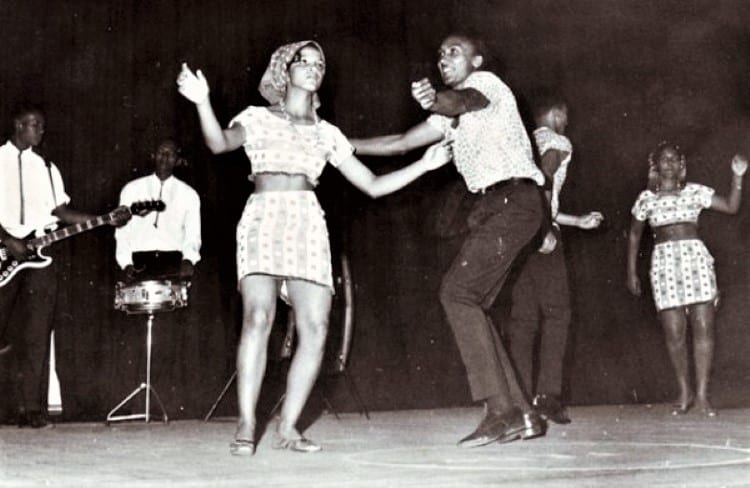
If Mozambique has a national soundtrack, it is undoubtedly Marrabenta. Born in the late 1930s and 1940s in the suburban neighborhoods of Lourenço Marques (now Maputo), Marrabenta is a brilliant urban fusion. It blends traditional African rhythms with Portuguese folk music, Euro-American big band jazz, and rhythmic influences from neighboring South Africa.
The name itself comes from the Portuguese word rebentar (to break), hinting at the energetic, passionate dance styles it inspired — dancers would move with such intensity that they were said to be “breaking” the strings or their own bones. Originally played on acoustic guitars and homemade instruments like oil-can banjos, Marrabenta became a powerful tool for cultural expression.
During the colonial era, musicians used clever metaphors in their lyrics to critique colonial oppression without alerting the censors, turning dance floors into spaces of subtle resistance.
Who Are the Legends of Mozambican Music?
When diving into Mozambique’s music history, several iconic names stand out as national treasures:
- Fany Mpfumo — Often regarded as the “King of Marrabenta,” Mpfumo rose to fame in the 1950s and 60s. Recording hits in Johannesburg, he brought Mozambican music to the international stage with his smooth vocals and masterful acoustic arrangements.
- Dilon Djindji — A living legend who began his career in the 1930s, Djindji helped shape and popularize Marrabenta over many decades, performing well into his nineties with infectious energy.
- Wazimbo — Possessing one of the most beautiful, soulful voices in African music, Wazimbo became famous as the lead vocalist for the Orchestra Marrabenta Star de Moçambique. His haunting ballad “Sapateiro” gained global fame when it was featured on the soundtrack of the Hollywood film Blood Diamond.
What Other Traditional Musical Styles Exist?
While Marrabenta rules the urban south, Mozambique’s vast geography holds an incredible diversity of regional, traditional sounds:
Timbila (Chopi Music)
Hailing from the Inhambane Province, this is a spectacular, sacred musical tradition recognized by UNESCO as a Masterpiece of the Oral and Intangible Heritage of Humanity. It centers around the mbila (plural: timbila), a complex xylophone handcrafted from local resonance woods and wild beeswax. A full Timbila orchestra features up to 30 musicians playing together in breathtaking, fast-paced harmony.
Mapiko (Makonde Rhythms)
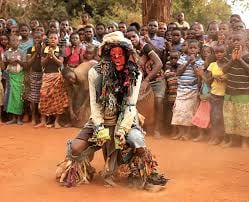
From the northern Cabo Delgado province, Mapiko is a traditional dance ritual of the Makonde people. It features masked dancers mimicking spirits, accompanied by intense, polyrhythmic drumming that tells stories of initiation, history, and social change.
Tufo
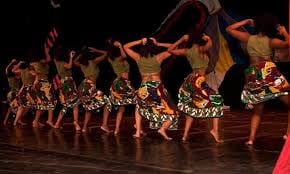
Popular in northern coastal regions like Nampula and the Island of Mozambique, Tufo is a traditional dance performed primarily by women. Heavily influenced by Arabic culture and Islam, the dancers wear matching traditional fabrics (capulanas), paint their faces with white mussiro paste, and move gracefully to the rhythm of frame drums while singing songs of celebration.
Experience the Rhythms Firsthand with Nenane Tours
You can listen to recorded tracks, but Mozambican music is an experience meant to be felt live. It’s about the vibration of the drums, the community on the dance floor, and the stories shared between songs. At Nenane Tours, we bridge the gap between travelers and the local arts scene. Our curated cultural itineraries can guide you to the historic live music venues of Maputo, point you toward authentic cultural festivals, and introduce you to the vibrant nightlife where modern artists continue to reinvent Marrabenta.